Lula wins Brazil runoff as Bolsonaro files annulment bid
The incumbent secured 64 million votes against Flávio Bolsonaro's 60 million, but the former senator is challenging the result following a chaotic extension of voting hours.
By Nadia Hassan ·
President Luiz Inácio Lula da Silva has won reelection in Brazil's presidential runoff, securing more than 64 million votes against just under 60 million for Senator Flávio Bolsonaro. The margin of nearly 4 percent sets the stage for a fourth non-consecutive term for the incumbent, who is expected to take office on January 5, 2027. However, the victory is already facing legal challenges as the losing candidate moves to contest the outcome.
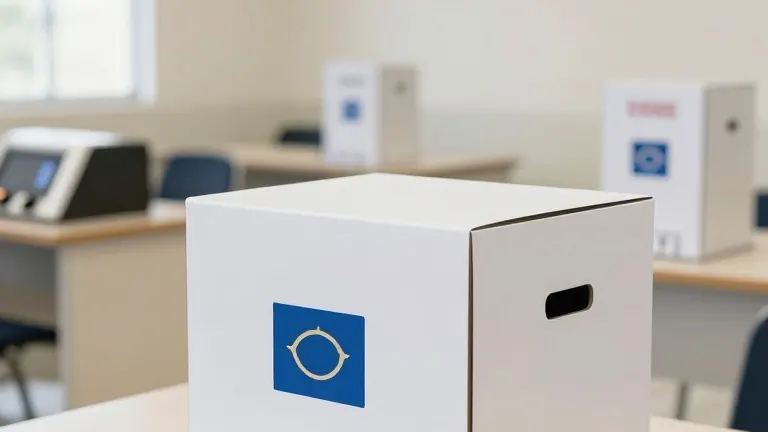
Senator Flávio Bolsonaro announced on Sunday that he planned to request an annulment of the election. The move follows a chaotic extension of voting hours requested by both candidates just minutes before polls were scheduled to close at 5 p.m. on Sunday. The decision, made by a Supreme Court justice, caused confusion at polling stations across the country. Lula requested the extension due to transportation issues in São Paulo and Salvador, while Bolsonaro cited heavy rains in the south.
President Donald Trump added to the controversy on Monday, suggesting without evidence that the reelection was rigged. Trump told reporters that the tabulation process looked bad and that the election appeared to be another rigged vote. He made these remarks before flying to Mississippi for a rally. Flavio Bolsonaro visited his father, former President Jair Bolsonaro, who is under house arrest serving a 27-year sentence for a coup attempt, on Monday.
Lula's victory relied on mobilizing an additional 14.1 million voters who participated in the second round after abstaining or voting for other candidates in the first. Analysts estimate that three-quarters of these new voters supported Lula. The campaign utilized a digital strategy led by lawmaker André Janones, who used a WhatsApp channel called Lula's Army to reach nearly 11 million people. This effort helped pressure Meta, the owner of WhatsApp and Instagram, to address alleged algorithmic bias against the incumbent.
Brazil's electoral authority, led by Kassio Nunes, recognized Lula's victory on Sunday. Nunes, who was appointed to the Supreme Court by Jair Bolsonaro, joined other regional leaders in validating the results. Brian Winter, editor-in-chief of Americas Quarterly, noted that Brazilian power brokers are closing ranks behind Lula, making an annulment a difficult path for the opposition. The second round saw the least number of abstentions in history, reversing a record for non-voters set in the first round.
Lula faces a right-wing Congress where Bolsonaro's party holds the most seats. The incumbent will also contend with political polarization and a potential fiscal crisis. Despite these challenges, the reliability of Brazil's electronic voting system, adopted in the 1990s, suggests the results will stand. Results showed voter turnout surged in wealthier metropolitan centers, while Lula achieved his highest gains in lower-income municipalities where his base is established.
The election marks the first time since 1989 that a candidate came from behind in the first round to win the second. Jorge Henrique Oliveira Sena, a 26-year-old maintenance worker in Brasília, cast his vote for Lula after not voting in the first round. He said he felt a greater connection with the incumbent than with his opponent. The quick recognition of the result by conservative leaders in the region further solidifies the outcome, although the Bolsonaro family remains a potent political force.
Source: ABC News